Prevent Burst Pipes
- inspectorbellonzi
- Nov 30, 2025
- 3 min read
Your inspector, Vince. Ask for me at www.austinpropertydoctors.com or call (512)762-5912
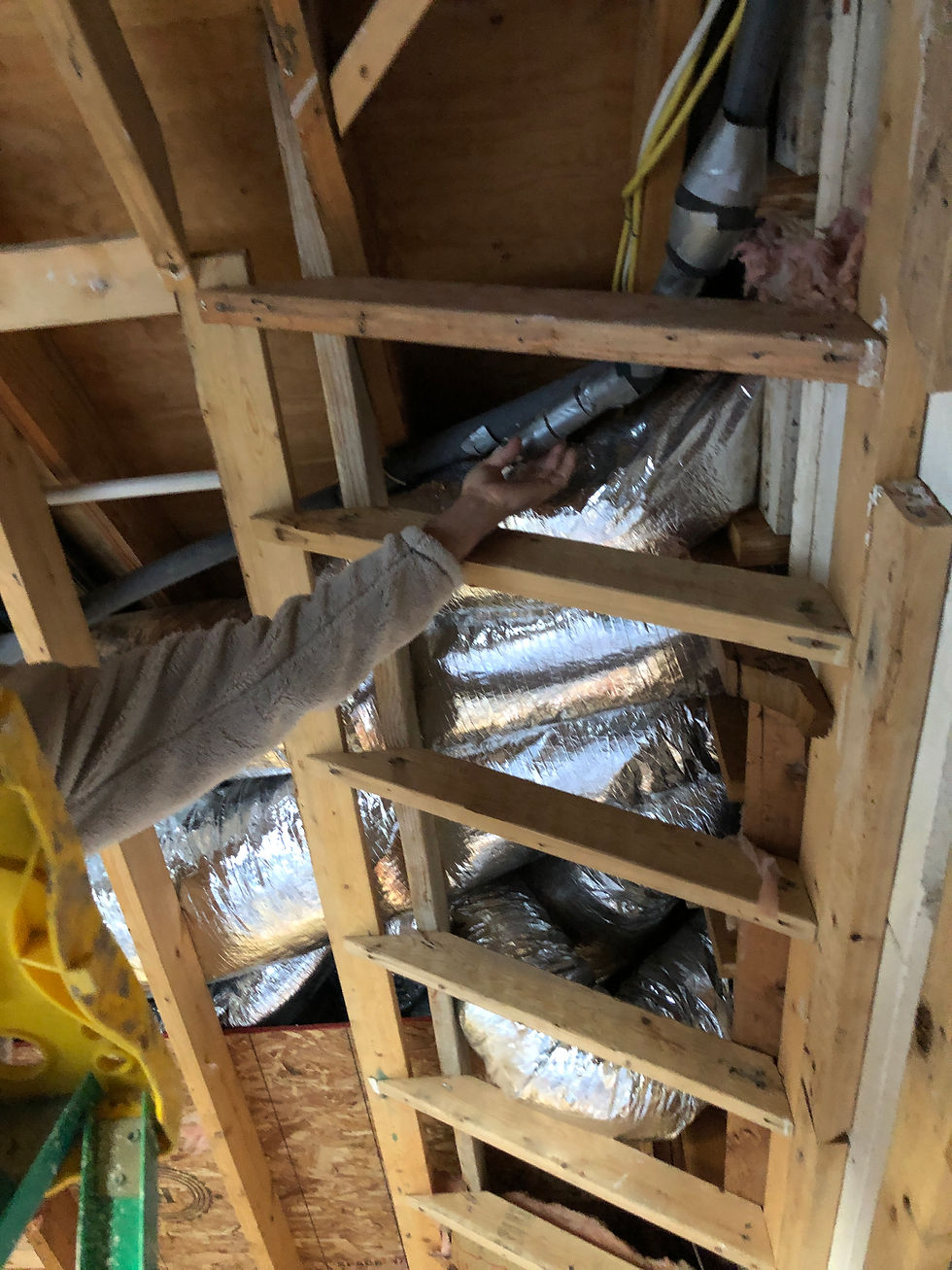
In Central Texas (Austin, San Antonio, Hill Country, DFW, etc.), pipes rarely freeze, but when a strong Arctic blast drops temperatures into the teens or single digits for more than a few hours (like Feb 2021 or the Christmas 2022 event), thousands of homes still end up with burst pipes. Here’s the practical, Texas-specific checklist that plumbers and Texas emergency management recommend:
1. Before the Freeze Hits (Best Done the Day Before)
- Locate your main water shut-off valve now (usually at the street or where the line enters the house) and make sure you can turn it quickly if a pipe bursts.
- Find all outdoor hose bibs (outside faucets) and either:
- Remove hoses and cover the bibs with insulated foam domes, insulated covers (cheap at Home Depot/Lowe’s) or thick towels + plastic bag.
- Or install frost-proof sillcocks if you get freezes every few years.
- Identify “vulnerable” pipes:
- Any pipe on an outside wall
- Pipes in unheated garages or crawlspaces
- Pipes under kitchen/bathroom sinks on north or east-facing walls
- Attic water or sprinkler (fire) lines if you have them
- Water heater closet or garage water heater
2. When Temperatures Will Drop Below ~20 °F for 6+ Hours
Classic Texas Advice That Works
- Open cabinet doors under sinks on outside walls so warm house air can circulate around the pipes.
- Drip faucets — both hot and cold — at a steady pencil-lead-thick stream. The moving water is much harder to freeze. (One dripping faucet uses ~3–5 gallons in 24 hours — far cheaper than a burst pipe.)
- Set your thermostat no lower than 60 °F, even if you leave town.
Extra Protection for Problem Areas
- Wrap exposed pipes with foam pipe insulation sleeves, heat tape (plug-in electric), or even towels + plastic if you’re in a pinch.
- Use space heaters (safely) in garages or crawlspaces with water lines, or put a 60–100 W incandescent bulb near pipes (old-school but still works).
- For pier-and-beam homes common in Central Texas: Open the foundation vents is a myth — close them and skirt the house with straw, cardboard, or tarps to block wind.
- If you have a vacation home or will be gone: Either have someone check daily, or shut off the water at the street and drain the system (open all faucets + flush toilets after shut-off).
3. During the Freeze
- Keep garage doors closed if water lines or water heater are in there.
- If you lose heat or power, the “drip” method becomes far less effective — consider shutting off water at the street and draining lines if temps will stay below 15 °F for >12 hours.
4. After the Freeze (Thawing Day)
- Keep faucets dripping until well after temperatures are above freezing for several hours.
- Walk around the house and look for wet spots on ceilings/walls or hissing sounds.
- If a pipe did freeze but hasn’t burst yet, open the faucet and gently warm the pipe with a hair dryer or warm towels — start from the faucet end and work back.
Quick cheat-sheet most Central Texas plumbers hand out:
| Temperature Forecast | Action |
| 32–25 °F overnight | Probably fine, but drip if you want to be sure |
| 24–20 °F for 6+ hrs | Drip all exposed faucets + open cabinets |
| ≤19 °F for 12+ hrs | Drip + heat tape + keep house ≥60 °F (2021 & 2022 level event) |


Comments